
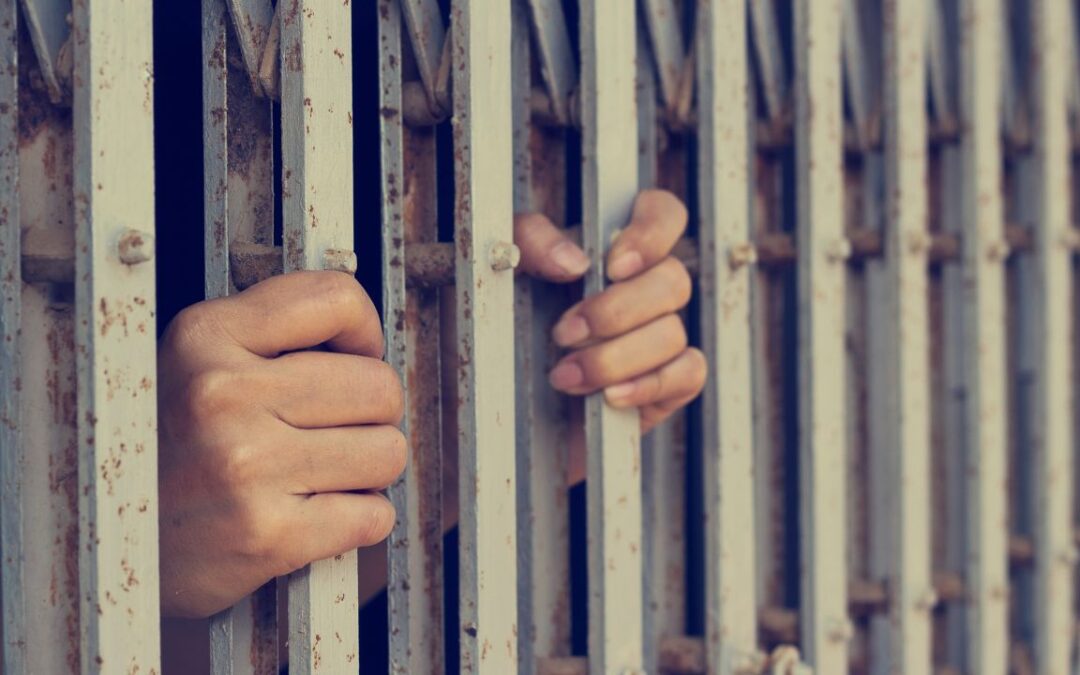
What Happens to People Who Are Falsely Imprisoned?
What Happens to People Who Are Falsely Imprisoned? Falsely imprisoned individuals face a life-changing predicament that extends far beyond the confines of a prison cell. When the justice system errs, the consequences ripple through the lives of the incarcerated, their families, and the broader community. In this post, we will explore the emotional, financial, social, and legal repercussions of wrongful convictions, with a particular focus on how do wrongful convictions affect families. By unpacking these facets, we can better understand the urgent need for reforms, support systems, and accountability.
Introduction: The gravity of a wrongful conviction
Being imprisoned for a crime you did not commit is an experience that undermines trust in the rule of law. The initial shock gives way to a complex web of challenges: securing adequate legal representation, maintaining personal relationships, and coping with the stigma of having a conviction on record. While the person wrongfully imprisoned bears the primary burden, the impact radiates outward to loved ones, friends, and communities.
This post uses the phrase how do wrongful convictions affect families to highlight a core truth: families are often the overlooked victims. Their daily lives change in unexpected and profound ways, from financial strain to emotional distress, and sometimes long-term intergenerational consequences.
The immediate aftermath inside prison
When a person is wrongfully incarcerated, facilities, procedures, and routines remain the same, but the emotional landscape shifts dramatically. Some common experiences include:
- Loss of autonomy and freedom: The physical deprivation of liberty is paired with a sense of injustice and powerlessness.
- Indirect admission of guilt: Inmates may be compelled to participate in disciplinary actions or to plead guilty to regain certain privileges, even when they are innocent.
- Barriers to self-advocacy: Limited access to effective legal resources inside and outside the system can hinder exoneration efforts.
These internal dynamics often interact with external pressures from prosecutors, defense attorneys, and post-conviction review processes.
How wrongful convictions affect families
This section addresses the heart of the question: the multifaceted ways in which families are affected. The consequences are not simply emotional; they are economic, social, and long-lasting.
Financial strain and economic disruption
- Legal costs and debt: Even after release or exoneration, families may carry significant legal fees, court costs, and debt incurred during the investigation and incarceration.
- Lost income and employment instability: Family members may need to quit jobs or reduce hours to attend visits, court hearings, or to care for relatives, reducing household earnings.
- Housing and welfare pressures: Stigma and instability can jeopardize housing, access to public assistance, or eligibility for certain benefits.
Emotional and psychological impact
- Grief, anger, and trauma: Families may experience collective grief for years, mourning the loss of anticipated future milestones that were disrupted by the wrongful conviction.
- Trust and safety within relationships: Rebuilding trust among partners, children, and extended family can take years, especially if the case drew public attention or involved sensational media coverage.
- Mental health strain: Caregivers and family members often experience anxiety, depression, and PTSD-like symptoms due to prolonged stress.
Social stigma and community repercussions
- Stigma by association: Even after exoneration, families may face judgment or gossip in their communities, workplaces, and schools.
- Relationship dynamics within the community: Long-standing local networks may shift as families navigate reputational concerns or fear of harassment.
Impact on children and future generations
- Educational and developmental consequences: Children of the wrongfully imprisoned may experience school interruptions, frequent relocations, or emotional distress that affects learning.
- Parental involvement: Parents who are incarcerated or exonerated may face barriers to staying actively involved in their children’s lives, impacting a child’s sense of stability and belonging.
- Intergenerational effects: Chronic stress and economic hardship can influence long-term outcomes for subsequent generations.
Legal and advocacy costs for families
- Navigating post-conviction processes: Families often become involved in appeals, habeas corpus petitions, or compensation claims, which require time, resources, and legal know-how.
- Access to post-release support: After release, individuals and families may need counseling, job training, and social services to rebuild their lives.
The path to justice and repair
Addressing wrongful convictions requires a multi-faceted approach that centers both accountability and remediation. Practical steps include:
- Independent review mechanisms: For example, independent commissions or post-conviction review units can help reexamine cases without political pressure.
- Transparency in the legal process: Opening access to case files, forensic evidence, and trial transcripts supports accurate reassessment.
- Financial restitution and compensation: Adequate compensation programs can help families recover lost wages, legal costs, and emotional distress.
- Family-centered support services: Counseling, financial planning, and social services targeted at families can mitigate the long-term damage.
Policy implications and reform opportunities
To minimize how do wrongful convictions affect families in the first place, reforms should focus on reducing wrongful convictions and supporting those affected:
- Safer, higher-quality forensics: Investing in validated, reliable forensic methods reduces erroneous convictions.
- Superior defense resources: Ensuring access to robust public defense, expert witnesses, and investigative funding helps balance the scales.
- Data-driven supervision of prosecutors: Oversight to prevent overcharging and coercive practices can lower wrongful conviction risk.
- Compensation programs: Timely and sufficient financial redress acknowledges the harms suffered by both the imprisoned and their families.
Personal stories and lessons learned
Across the country, families share poignant narratives about resilience and loss. While details vary, a common thread is the resilience of those who rally to support their loved ones. These stories underscore why reform and support structures matter, not just for justice but for healing and safeguarding communities.
What Happens to People Who Are Falsely Imprisoned? – Final thoughts
Falsely imprisoned individuals endure a profound injustice, but the consequences extend well beyond the person behind bars. The question of how do wrongful convictions affect families is central to understanding the full scope of harm. By centering family impacts in policy debates, legal reforms, and community support, society can better prevent wrongful convictions, expedite exoneration, and provide meaningful restitution. Recognizing and addressing these ripple effects is essential to restoring faith in the justice system and helping families reclaim stability, dignity, and hope.
Please visit my donation page and make a donation to my cause if you can. Every little bit helps!